Laser Hair Removal in Tracy: What to Know Before Your Consultation
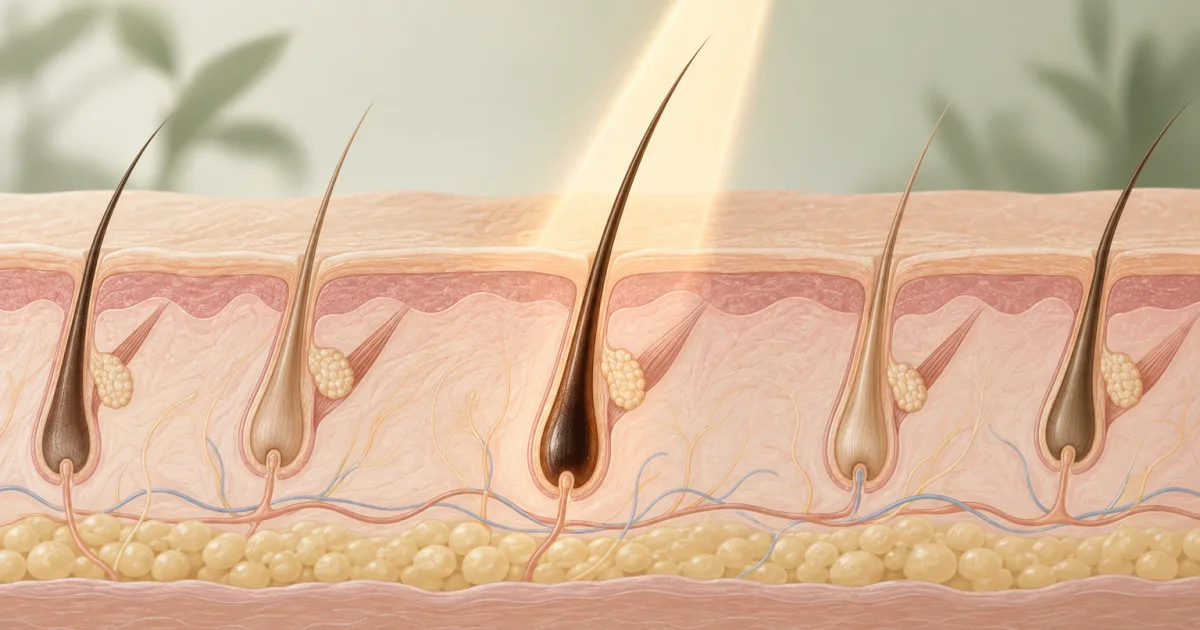
Laser hair removal can reduce unwanted hair growth, but it usually requires a series of treatments and does not guarantee that every hair will disappear permanently. Results vary with hair color and thickness, skin color, the treatment area and the laser used. Revive Me Medspa lists laser hair removal among its services in Tracy. If you are considering treatment, a consultation is an opportunity to discuss realistic expectations, your health history and your individual suitability.
Why more than one visit may be discussed
The American Academy of Dermatology (AAD) explains that most patients need multiple treatments and that maintenance treatments may be needed later. Hair that returns tends to be finer, lighter and less noticeable, but results vary. The AAD also identifies the hair's growth cycle as one factor considered during assessment. Ask how progress would be evaluated rather than assuming a fixed number of visits will produce a particular result.
Why hair color and skin tone matter
The AAD says laser hair removal works best on light-colored skin with dark hair. It also identifies treatment as an option for people with darker skin, while emphasizing the need for particular care. Ask how much experience the person performing treatment has with your skin tone, which laser would be used and what precautions would address burns or pigment changes. Hair color and thickness also affect results, so discuss what reduction is realistic for your hair. A service listing alone cannot establish whether treatment is appropriate for you.
What to bring up during the consultation
The AAD recommends discussing recent tanning, a tendency to scar, any history of raised scars called keloids, and a tendency to have cold sores or genital herpes outbreaks. Share your medication history, including past isotretinoin use and current prescription and nonprescription medicines. You can also bring a list of supplements for review. Ask the prescribing clinician before making any changes to prescribed medicine. Useful questions include who will perform the procedure, what training and experience they have with your skin tone, and who will evaluate a possible complication. Request an individualized explanation of expected results, limitations, costs and alternatives.
Preparation is part of the treatment plan
The AAD advises avoiding outdoor and indoor tanning and sunless tanning products before treatment. It also recommends applying sunscreen every day before going outdoors: broad-spectrum, SPF 30 or higher, and water-resistant. Discuss any recent tan and ask whether it affects when treatment should be scheduled. Request instructions about shaving, waxing, plucking and skin products used on the treatment area rather than assuming a general routine applies to you. Confirm what changes in your skin or health should prompt a call before your visit.
What treatment and recovery may involve
The AAD states that everyone in the treatment room must wear protective eyewear. During the procedure, the selected area is treated with the laser; patients often describe the pulses as warm pinpricks or a rubber band snapping against the skin. Treatment length depends on the size of the area. Redness, swelling and discomfort are common afterward and usually last one to three days, according to the AAD. Most people return to everyday activities without significant downtime, but the skin still needs care. The AAD advises protecting treated skin from direct sunlight, avoiding indoor tanning equipment and following aftercare instructions. Ask for written guidance and a contact number for concerns.
Understand the risks before deciding
Possible complications include burns, blistering, infection, scarring and lighter or darker skin. Some skin-color changes can be permanent. Herpes simplex outbreaks are another possible side effect; disclose any history of cold sores or genital herpes during your consultation. The AAD warns that laser hair removal can be dangerous in inexperienced hands and recommends choosing a board-certified dermatologist for laser treatments. This is general AAD guidance, not a statement about any Revive Me provider's credentials. Ask which reactions are expected, which symptoms need prompt evaluation and how follow-up would be arranged. Use the consultation to decide whether to proceed, postpone treatment or explore another approach.
Questions and answers
Will laser hair removal permanently remove every hair?
That should not be assumed. The AAD notes that results can last months or years, but hair can regrow and maintenance treatments may be needed. Ask for realistic expectations for the area you want treated, including the possibility of regrowth.
Can darker skin tones be treated?
Laser hair removal can be an option for people with darker skin. The AAD emphasizes that treatment must be performed carefully. Ask about the proposed laser, experience treating similar skin tones and the risk of lighter or darker patches. An individual assessment is needed to determine suitability.
How far apart will appointments be?
The AAD says most patients can have treatment every four to six weeks, but timing varies from person to person. This is general information, not a personal schedule. Ask when it would be safe for you to return and what might require postponing a session.
Related services
Sources
- American Academy of Dermatology: Laser hair removal FAQs — treatment experience, results, recovery, risks and scheduling
- American Academy of Dermatology: Laser hair removal preparation — consultation questions, medical history and sun precautions
- American Academy of Dermatology: Laser hair removal overview
Questions about your visit? Call (209) 855-1463 or book an appointment.